22/05/2026
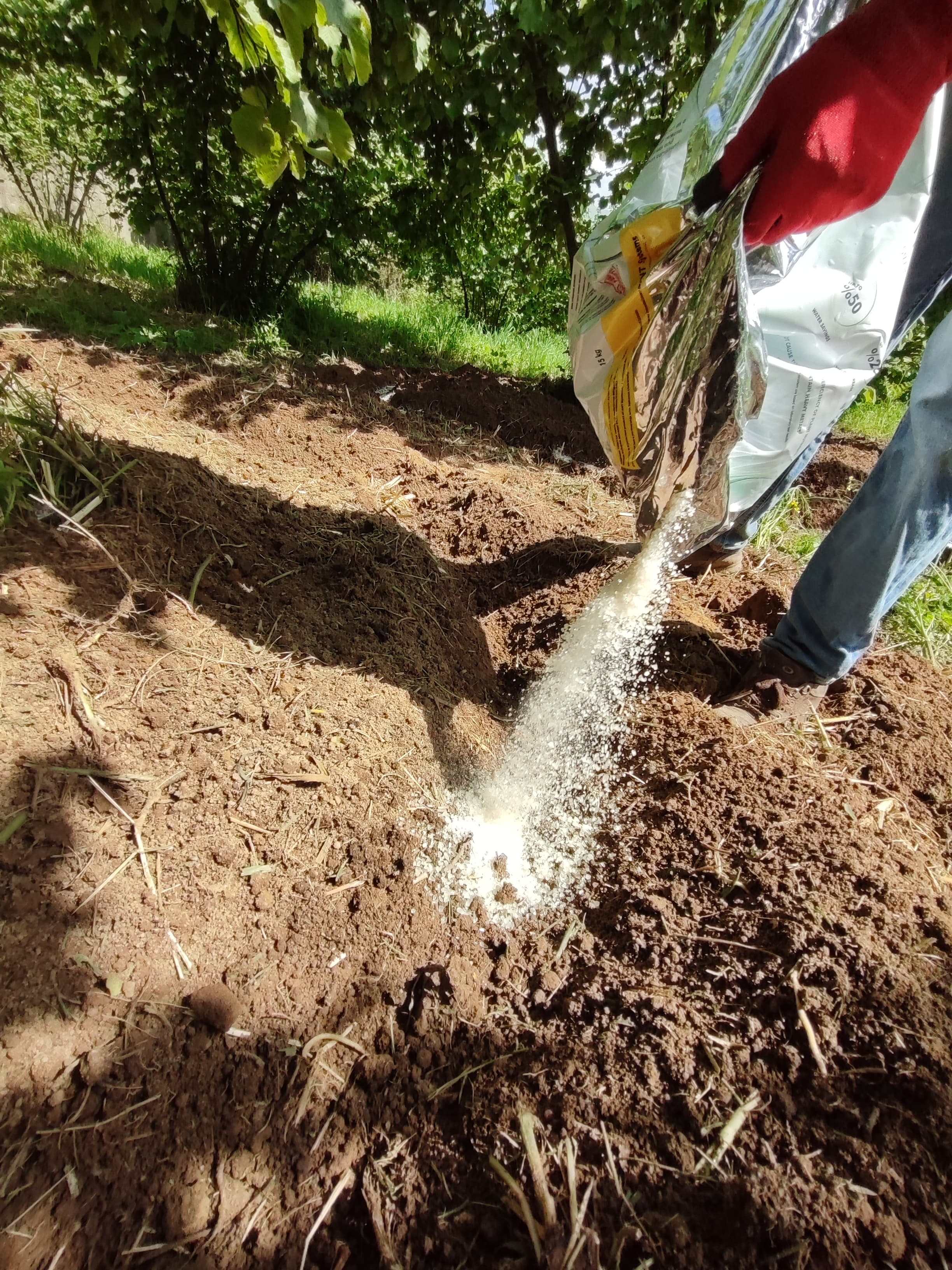
ANT Systems, developed in the Materials Science and Nanoengineering laboratories of the Faculty of Engineering and Natural Sciences at Sabancı University and the product of approximately 15 years of scientific studies, has brought nanomaterial technology to industrial production. The product, called NANOTERN, is a biodegradable nanomaterial that allows the soil to retain water for longer and release it back to the plant in a controlled manner when needed. The technology can absorb up to 1,800 times its own weight in water, reducing irrigation water consumption by up to 50% and increasing agricultural productivity by up to 25%.
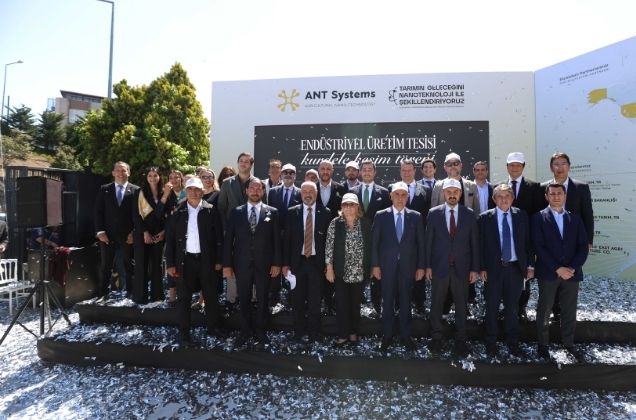
This initiative, cited as a concrete example of the success of Sabancı University's entrepreneurship and technology ecosystem, has begun mass production at its 3,000-ton annual capacity production facility established in the Tuzla Chemical Specialized Organized Industrial Zone (KOSB) in Istanbul. The opening ceremony, held on May 16th, was attended by the Chair of the Turkish Grand National Assembly's Agriculture, Forestry and Rural Affairs Committee, Prof. Dr. Vahit Kirişci, the Founding Chair of the Board of Trustees Güler Sabancı, the President of the Agricultural and Rural Development Support Institution (TKDK), Dr. Ahmet Abdullah Antalyalı, the President of Sabancı University, Prof. Dr. Yusuf Leblebici, as well as numerous representatives from public institutions, academics, industry stakeholders, and international guests.
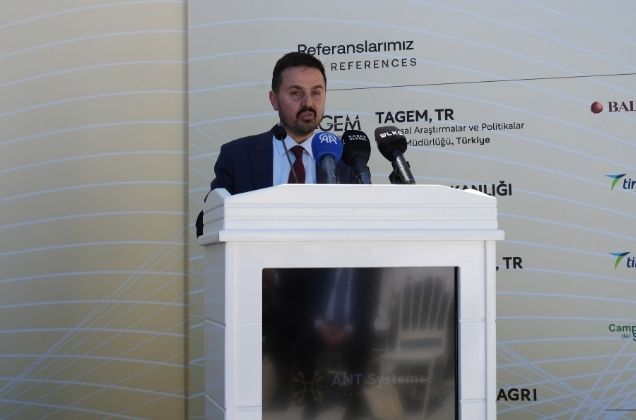
Speaking at the opening of the event, Ahmet Antalyalı, President of the Agricultural and Rural Development Support Institution (TKDK), emphasized that the initiative is one of the concrete examples of Türkiye's goal to produce high technology in the agricultural sector, and stated that the project demonstrates that a successful transition from academia to industry can be achieved.
“Behind these initiatives lies a strong vision and intense effort,”
Sabancı University President Prof. Dr. Yusuf Leblebici stated that ANT Systems is a strong outcome of Sabancı University's vision for research, entrepreneurship, and social benefit. Highlighting the importance of transforming scientific knowledge developed within the university into economic and social value, Leblebici continued: “Behind these initiatives lies a strong vision and years of intensive effort. The support of our Honorary President Sakıp Sabancı and the university's establishment with this understanding significantly contribute to this process. Our world is going through different periods of crisis. However, we continue our technology research uninterrupted.”
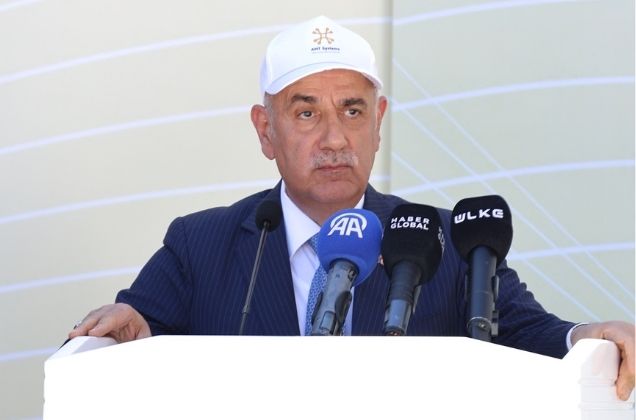
Drawing attention to the rising average age of those working in the agricultural sector, Prof. Dr. Vahit Kirişci, Chairman of the Turkish Grand National Assembly's Agriculture, Forestry and Rural Affairs Committee, stated that the use of technology in agriculture is critical to increasing young people's interest in this field.
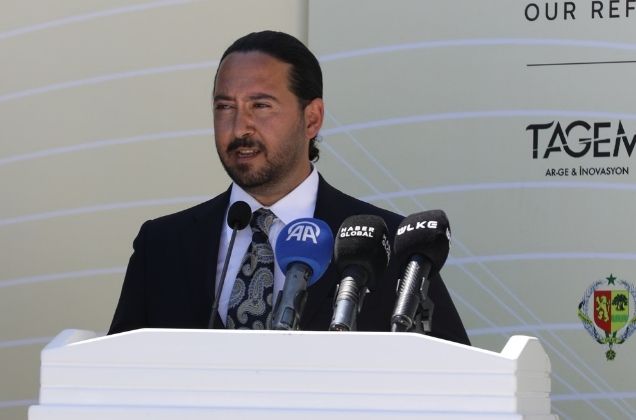
Can Yurdakul, Deputy Chair and CEO of ANT Systems, pointed out that land can be lost not only through war but also due to water scarcity, inefficiency, and incorrect production models, underlining that energy, water, and agriculture are among the world's biggest issues. He stated that one of the most critical questions for the future of the agricultural sector, which uses approximately 70% of the world's freshwater resources, is how to achieve more sustainable production with existing resources. Expressing that ANT Systems' story stems precisely from this point, he said, “This technology is largely in the R&D phase globally. Türkiye is one of the few countries that produces it on an industrial scale, verified in the field. The issue is no longer about producing more, but about producing smarter with limited resources. We have established a system that manages water, not just uses it.”
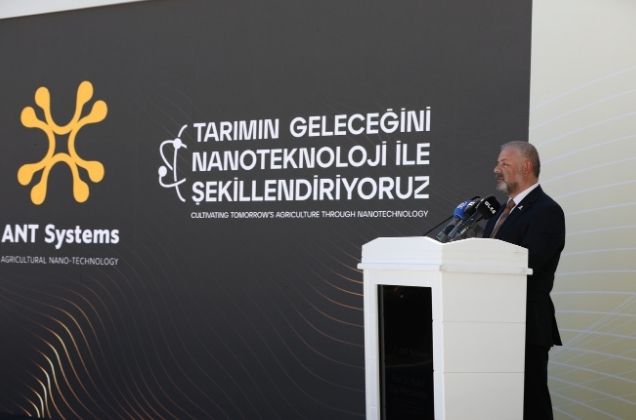
“We have nanotechnology products for food and post-harvest preservation”
Prof. Dr. Yusuf Ziya Menceloğlu, Faculty Member of Sabancı University Materials Science and Nanoengineering Program, Chair of the Board and CTO of ANT Systems, stated that the concept of sustainability began to come to the forefront approximately 15 years ago. Noting that accelerating population growth increases resource consumption, triggers global warming by increasing carbon emissions, and leads to water scarcity, Prof. Dr. Menceloğlu said, “In agriculture, there is both a water crisis and a pesticide crisis, especially a pesticide problem, as well as post-harvest storage problems. Currently, Türkiye has food losses amounting to almost 5% of its gross national product. Food preservation and post-harvest preservation are very important. We have nanotechnology products that we have developed for this purpose in these sectors. The reason they are called nano is that you can get more effective results with less material. They are also accepted because of their high effectiveness.”
“Entrepreneurship and technology-focused studies at Sabancı University have yielded tangible results”
Güler Sabancı, Founding Chair of the Board of Trustees and investor in ANT Systems, stated that water stress is becoming increasingly visible both globally and in Türkiye, alongside the climate crisis. Sabancı emphasized that the varying dry and rainy seasons from year to year do not change this reality, adding: “The only thing we can rely on regarding the water stress we will experience and are experiencing in relation to the climate crisis and major disasters is technology, science-based research, and the successful ventures resulting from this research for the future. This is what the world trusts and expects.” Underlining that the entrepreneurship and technology-focused studies supported at Sabancı University since 2007 have yielded tangible results with the goal of producing solutions to global problems, Güler Sabancı stressed that the first production facility has been established, moving beyond the laboratory stage, and that such initiatives will be decisive in the fight against the climate crisis.
Nanomaterial technology is still in the laboratory phase in many countries.
ANT Systems' flagship product, NANOTERN, which is the result of 15 years of scientific studies within the Faculty of Engineering and Natural Sciences at Sabancı University, also reduces production costs by increasing the efficiency of fertilizers and agricultural inputs. Today, NANOTERN is actively used in Türkiye, as well as in the USA, South America, Gulf countries, and Africa. ANT Systems' nanomaterial technology is still in the laboratory phase in many developed countries of the world. Today, the technology has been validated in the field in Türkiye under the leadership of Sabancı University and has become ready for industrial-scale production.